Transform Dull to Dazzling: 5 Epoxy Upgrades for a Show-Stopping Garage
DG Painting • August 19, 2026
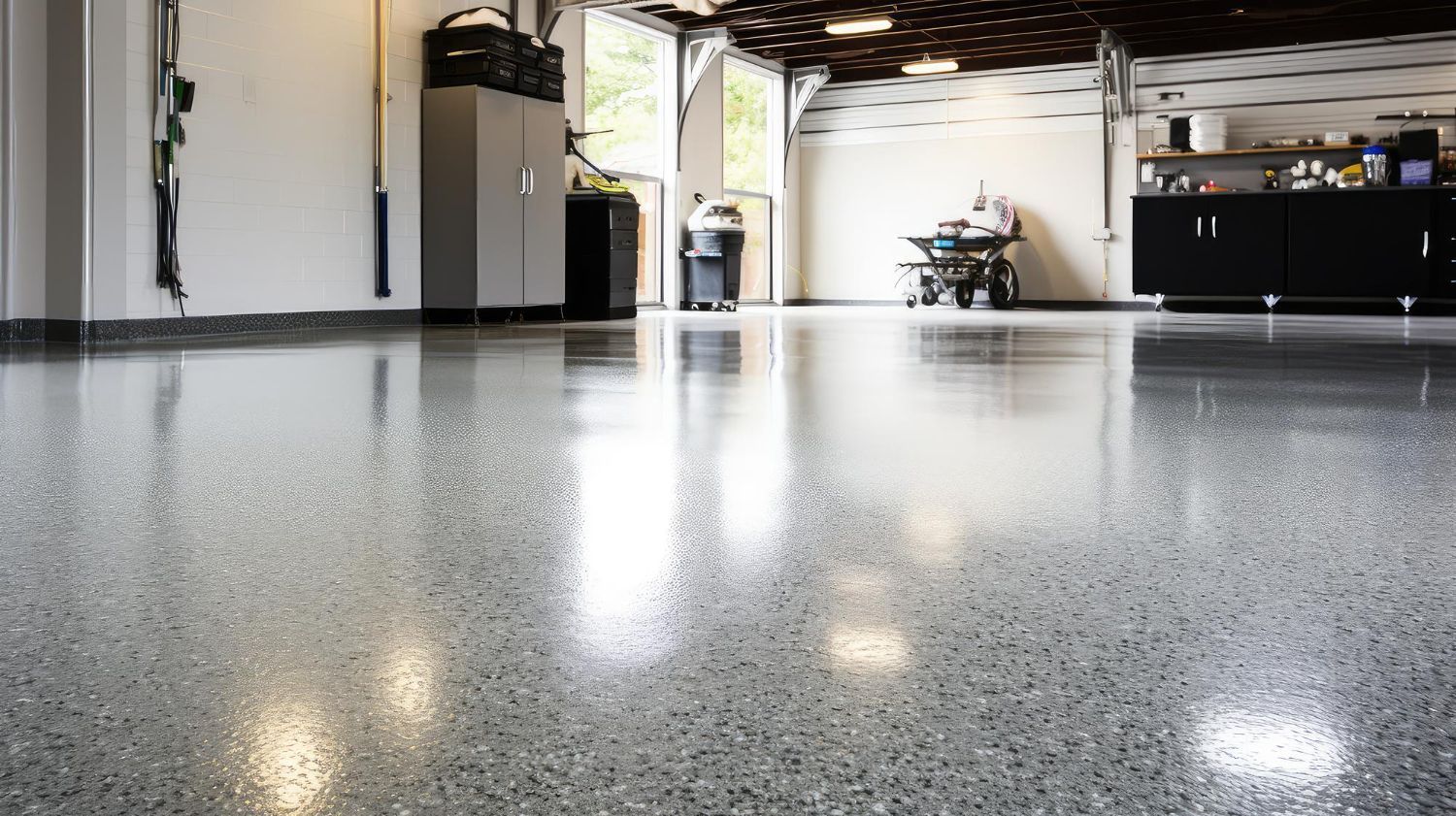
Garage floors in Castle Rock endure constant abuse from dripping vehicle fluids and heavy mechanical impacts. Property owners often apply budget friendly roll on kits only to watch the finish peel away under the heat of their car tires. DG Painting installs commercial grade epoxy floors that turn dark, stained concrete slabs into bright and highly functional spaces. Investing in premium resins keeps your garage looking immaculate and reduces your concrete maintenance budget drastically.
Automotive environments demand advanced chemical formulations that resist heavy scraping and hot rubber. The reality is that basic latex floor paints simply lack the structural density to survive daily utility use. Understanding the technical specifications of industrial coatings protects your property from premature wear. Following these expert upgrades ensures your concrete environment reflects true quality.
In This Article:
- Tip 1: Repairing Surface Spalling Before Coating
- Tip 2: Selecting Industrial Grade Resins
- Tip 3: Adding Flake Broadcasts for Traction
- Tip 4: Applying Polyaspartic Topcoats
- Tip 5: Managing Moisture Vapor Emission
- Frequently Asked Questions
- Upgrading Your Garage Environment
Tip 1: Repairing Surface Spalling Before Coating
Concrete slabs inevitably develop pits and cracks from freezing weather and ground settling.
- Crack Filling: We grind out loose debris and inject a specialized polyurea filler that fuses the concrete back together.
- Spall Smoothing: Deep pits caused by road salt are leveled using high strength mortar to create a perfectly flat canvas.
- Joint Treatment: Expansion joints can be filled and smoothed to create a truly seamless wall to wall surface.
Tip 2: Selecting Industrial Grade Resins
Standard floor paints dry through simple water evaporation, leaving behind a soft layer of pigment.
- Chemical Resistance: Commercial resins repel automotive oils and harsh cleaning detergents effortlessly.
- Film Hardness: A cross linked epoxy finish behaves like a hard plastic shell, preventing deep concrete gouges from dropped tools.
- Hot Tire Resistance: Advanced formulas will not melt or peel when a hot vehicle tire rests on the surface.
This level of detailed planning is something clients notice firsthand.
►Client Experience: Mike Pfister shared "DG Painting did a fantastic job."
Partnering with a team that respects strict application standards keeps your property protected, just as Mike experienced.
Tip 3: Adding Flake Broadcasts for Traction
A high gloss resin floor becomes incredibly slippery when wet.
- Slip Resistance: Broadcasting vinyl flakes into the wet epoxy creates a textured grip that prevents dangerous falls.
- Aesthetic Customization: Flake blends are available in hundreds of color combinations to match your home exterior or favorite sports team.
- Flaw Hiding: The dense visual pattern of the flakes perfectly masks minor concrete imperfections and daily dust buildup.
Tip 4: Applying Polyaspartic Topcoats
The base epoxy provides adhesion, but the topcoat provides the ultimate daily defense.
- Ultraviolet Protection: Clear polyaspartic topcoats prevent the underlying epoxy from turning yellow when exposed to direct sunlight.
- Rapid Curing: These advanced topcoats dry to the touch in hours, allowing you to park your vehicles much sooner.
- Scratch Deflection: The chemical density of the top layer absorbs impact from dragged metal garbage cans and heavy storage racks.
Tip 5: Managing Moisture Vapor Emission
Ground moisture rising through the concrete slab is the silent killer of all floor coatings.
- Vapor Testing: Professional crews test the slab to ensure the hydrostatic pressure is low enough to accept a permanent seal.
- Vapor Barriers: If moisture is high, a specialized vapor blocking primer is applied to stop water from pushing the epoxy off the concrete.
- Professional Grinding: We use heavy diamond grinders to open the concrete pores, allowing the primer to soak deeply into the slab.
Frequently Asked Questions
Why is the paint peeling off my garage floor?
Basic garage paint peels because it cannot withstand the heat transferred from vehicle tires after a long drive. This heat literally melts the acrylic film, causing it to stick to the rubber and pull completely off the concrete when you back out of the driveway.
Can you apply epoxy over cracked concrete?
You can never apply resin directly over open cracks without proper mitigation. The cracks must be chased with a diamond blade, filled with a flexible polyurea compound, and ground perfectly flush before the base coat is installed to prevent the crack from transferring through the new floor.
How long does an epoxy floor take to dry?
While industrial topcoats can dry to the touch in just four hours, the underlying resins require significant time to reach full chemical hardness. We typically advise clients to wait twenty four hours before walking on the surface and a full five days before returning heavy vehicles to the garage.
Upgrading Your Garage Environment
Your garage is a primary entry point to your home and deserves the same aesthetic care as your interior rooms. Investing in industrial grade concrete protection safeguards your foundation and ensures your property stands the test of time. Reach out to our estimating team today to receive your free in home consultation.
Share This Blog